

What Does Flood Restoration Actually Include?
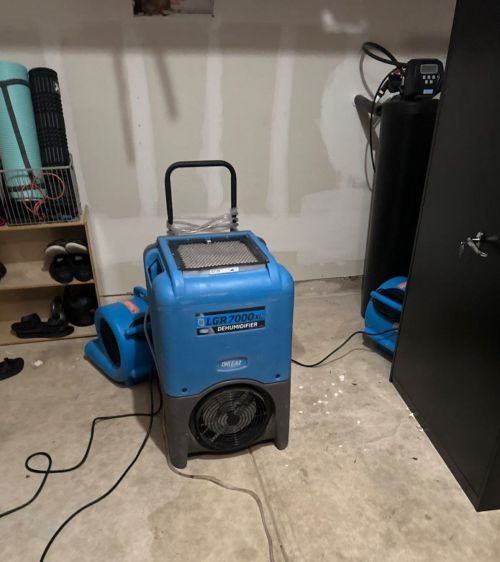
When your property suffers from flooding, the process of getting things back to normal can seem complicated. At CC Water Extraction, we specialize in water damage restoration and flood restoration to help you recover quickly and safely. But what exactly does flood restoration include? Let’s break it down.
Why Flood Restoration Matters
Flooding isn't just a lot of standing water. It can cause structural damage, promote mold growth, damage finishes, compromise electrical systems, and cost a lot more if not addressed promptly. Proper flood restoration (also called flood damage restoration or water damage restoration) is about restoring safety, hygiene, building integrity, and comfort — not just drying out a room.
The Flood Restoration Process
Here’s an overview of the main steps involved in effective flood restoration:
Key Steps
| Step | What’s Involved | Why It’s Important |
|---|---|---|
| 1. Emergency Water Removal | Rapidly extract standing water and flowing water using pumps, vacuums, and other equipment. | To stop water from spreading further and reduce damage to carpets, drywall, sub-floors, and finishes. |
| 2. Water Damage Assessment | Inspect and document the full scope of water intrusion: how much water, which areas, what kind of water (clean vs contaminated). | You need a clear picture of the damage to plan restoration properly and help with insurance claims. |
| 3. Containment & Dry-Out/Moisture Control | Seal off affected areas, set up dehumidifiers, air movers, remove wet carpets/padding if needed, and dry walls and floors. | Moisture that remains can lead to swelling, warping, delamination, and microbial (mold) growth. |
| 4. Cleaning & Sanitizing | Clean surfaces, remove contaminants, and apply EPA-approved disinfectants if water was contaminated (e.g., storm flood or sewage back-up). | Ensures the environment is safe and hygienic, especially if the flood involves dirty water. |
| 5. Restoration & Reconstruction | Repair or replace damaged building materials: drywall, insulation, flooring, baseboards; restore structure to pre-loss condition. | You need to return the home/business to a safe, functional, and aesthetically acceptable state. |
| 6. Final Inspection & Documentation | Conduct a post-dry-out inspection, validate that moisture levels are safe, and document work for insurance and future reference. | Helps ensure the job is done right and provides documentation for claims or resale. |
Additional Considerations for Flood & Water Damage Restoration
-
Type of Water: Clean water (from a burst pipe) is easier to deal with than grey or black water (storm flood or sewage), which requires more rigorous cleaning and sanitizing.
-
Structural Impact: Flooding can weaken foundations, sub-floors, and wall systems — not just surfaces.
-
Hidden Moisture: Water can hide behind walls, under flooring, or in cavities, making professional drying essential.
-
Mold Risk: Moisture that remains for 24-48 hours can start mold growth. The restoration process must include the prevention of microbial growth.
-
Insurance and Timing: Quick action not only reduces damage but also strengthens your position with insurance claims.
-
24/7 Emergency Response: In flood situations, delays increase risk. Many specialized firms (like ours) provide 24/7 emergency water removal and flood mitigation services. For example, our team at CC Water Extraction emphasizes rapid response and direct insurance billing.
Why Work with Professionals?
Doing the work yourself or hiring general contractors can save money up front—but there are strong reasons to choose experienced water damage/flood restoration specialists:
-
They have specialized equipment (industrial pumps, dehumidifiers, moisture meters) to properly extract and dry structures.
-
They are trained to evaluate structural damage and hidden moisture issues.
-
They follow industry standards (such as those from the Institute of Inspection Cleaning and Restoration Certification — IICRC) for water damage restoration.
-
They can handle insurance documentation and work directly with insurers to streamline claims.
-
They apply proper cleaning & disinfection, particularly when flood water is contaminated.
At CC Water Extraction, for example, we highlight that:
-
We arrive quickly to assess and begin the dry-out process.
-
We use EPA-recommended disinfectants and follow safety best practices.
-
We assist with insurance claims and direct billing.
-
We have certified technicians and a strong local reputation.
Quick Checklist: What You Should Expect
✅ 24 / 7 emergency response
✅ Assessment of water intrusion and damage
✅ Full water extraction and removal
✅ Setup of drying equipment and moisture monitoring
✅ Cleaning, sanitization, and mold prevention
✅ Repairs/restoration of damaged materials
✅ Final inspection, documentation, and follow-up
In Summary
Flood restoration isn't just drying a soggy carpet. It’s a comprehensive, multi-step process that involves removing water, controlling moisture, cleaning, repairing damage, and ensuring your property is once again safe and sound. Whether you’re dealing with a storm-driven flood, a burst pipe, or a sanitation issue, the right restoration partner can make all the difference.
At CC Water Extraction, we specialize in water damage restoration and flood restoration, and we’re ready to respond 24 / 7 in the San Antonio area. If you’ve experienced flooding, don’t wait — prompt action saves time, money, and stress.